To get parents excited about the IB Diploma in Literature program, I created a short animation about the conceptual approach to literature. Below is the link to the animation. Enjoy!
How can we study literature in the IB DP, the two-year program English? As a long-standing teacher, I would say that we study literature through a mix of analysis, comparison, and creative tasks, in which students analyze literary texts and techniques. In the International Baccalaureate (IB) program, this can be done through 3 Areas of Exploration, several Concepts, and even Global issues. In the following schematic overview, I will discuss the first two, Areas of Exploration and Concepts. I will do this by using 13 literary works spread across various genres. After this overview, I will briefly discuss the literary works themselves.
The 3 Areas of Exploration
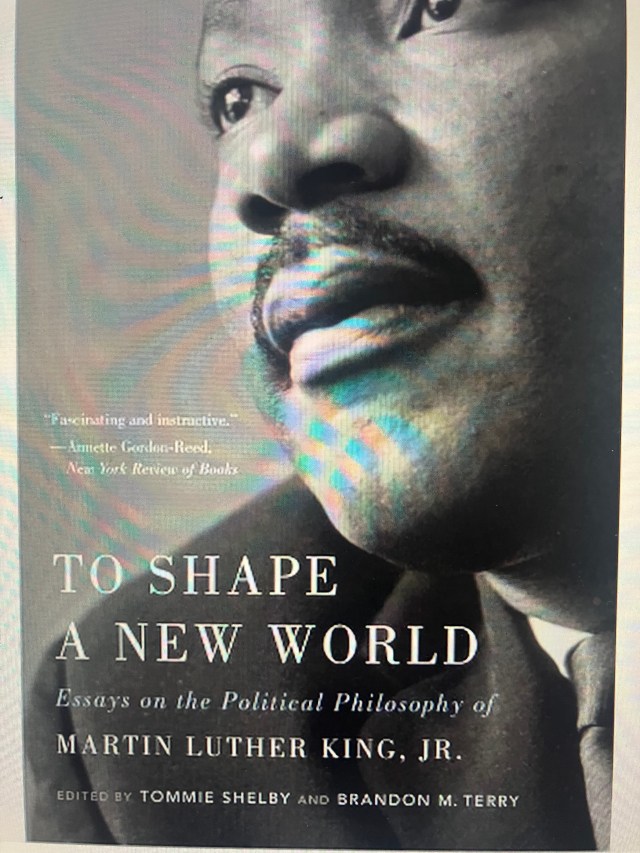
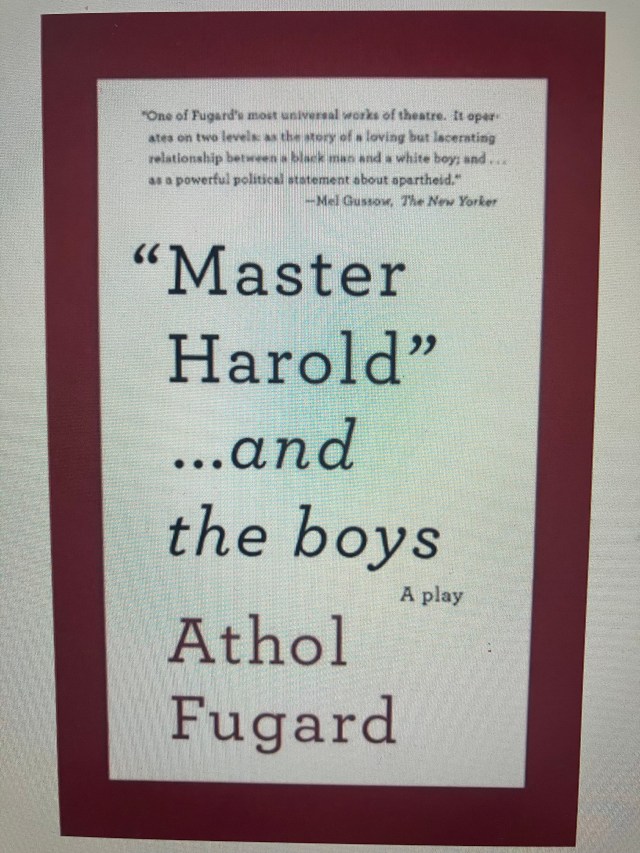
Readers, Writers, Texts 1. Patrick Süskind, Perfume 2. Ali Smith, Girl Meets Boy 3. Athol Fugard, ‘Master Harold’ … and the boys 4. Martin Luther King, Essays Time and Space 5. Bob Dylan, Songs 6. Appollinaire, Poems 7. Shakespeare, Macbeth 8 Oscar Wilde, The Storty of Dorian Gray 9. Satrapi, Persepolis Intertextuality 10. Albert Camus, The stranger 11. Karen Armstrong, A short Story 12. T.S.Eliot, Poems 13. Goethe, Faust
Initially, I chose the AoEs to provide a framework or context within which I discuss literary works. They guide students in what they study and why. However, I want to focus more specifically on the works they read and study. The concepts can guide the analysis and interpretation. This allows for more specific and in-depth exploration of literary works. Therefore, I will use the concepts as a starting point for the analysis of literary works.
For the three sections (AoEs), I created several subsections:
AoE1 Time and Space
1. Culture: How does the text reflect the values of its time? Bob Dylan, Songs; Martin Luther King, Essays
2. Identity: How does the cultural context influence the characters’ identities? Athol Fugard, ‘Master Harold’ … and the boys; Satrapi, Persepolis
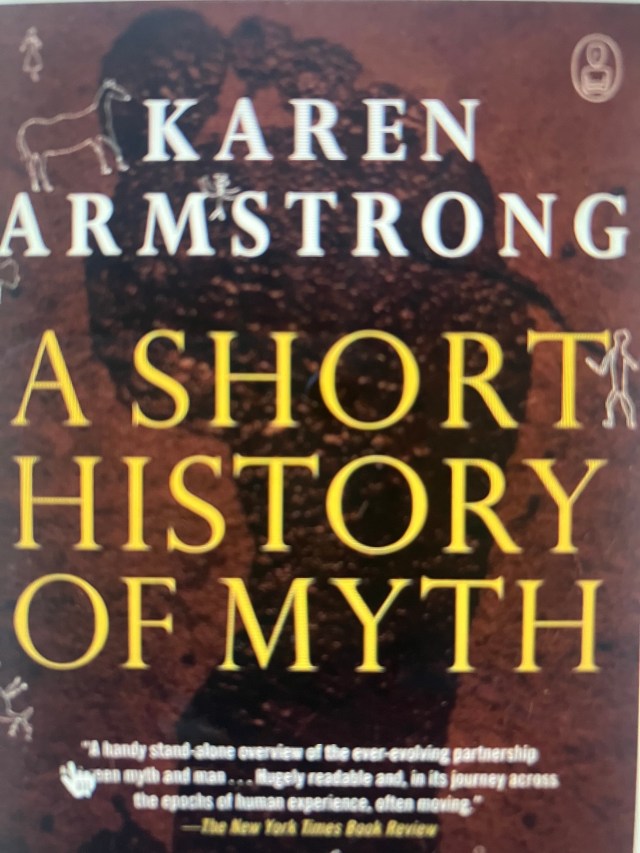
3. Perspective: How does our interpretation change depending on time and place? Karen Armstrong, A short Story
Culture: Martin Luther King, Essays (Martin Luther King Jr.’s essays explore the struggle for civil rights, advocating for racial equality and justice in the United States. His work addresses themes such as the fight against discrimination, his philosophy of nonviolent resistance, and the meaning of his dream for a society in which people are judged not by their skin color, but by their character.) Culture: Bob Dylan, Songs (The meanings of Bob Dylan’s songs are diverse and often complex, ranging from political and social commentary to personal reflections and complex love stories. Common themes include civil rights, social inequality, and the dark side of humanity.) Identity: Athol Fugard, ‘Master Harold’ … and the boys (Master Harold’s ‘… and the Boys’ shows how identity is shaped by race, class, and the oppression of apartheid, particularly in 16-year-old Hally. The play explores how the struggle between personal loyalty and the inhumane social order (which, as a white man, grants Hally privileges) affects his sense of identity.)Identity: Satrapi, Persepolis (Marjane Satrapi’s Persepolis tells the story of her personal life against the backdrop of political unrest, oppression, and war, focusing on her struggle with her identity and the limitations imposed on women. The story also encompasses her time in Vienna, where she, as a teenager, faces the challenges of growing up abroad.) Perspective: Karen Armstrong, A short Story (Karen Armstrong’s book ‘A Short History of Myth’ explores the history of myth as a fundamental part of humanity, beginning with the earliest human societies and continuing into modern times. It explores how myths create stories that help us understand the world and represent the essence of humanity and belief formation.)
AoE2 Readers, Writers, and Texts
1. Creativity: How does an author use language in an innovative way? Appollinaire, Poems; Patrick Süskind, Perfume; T.S.Eliot, Poems
2. Communication: How is meaning conveyed and received? Oscar Wilde, The Story of Dorian Gray; Goethe, Faust
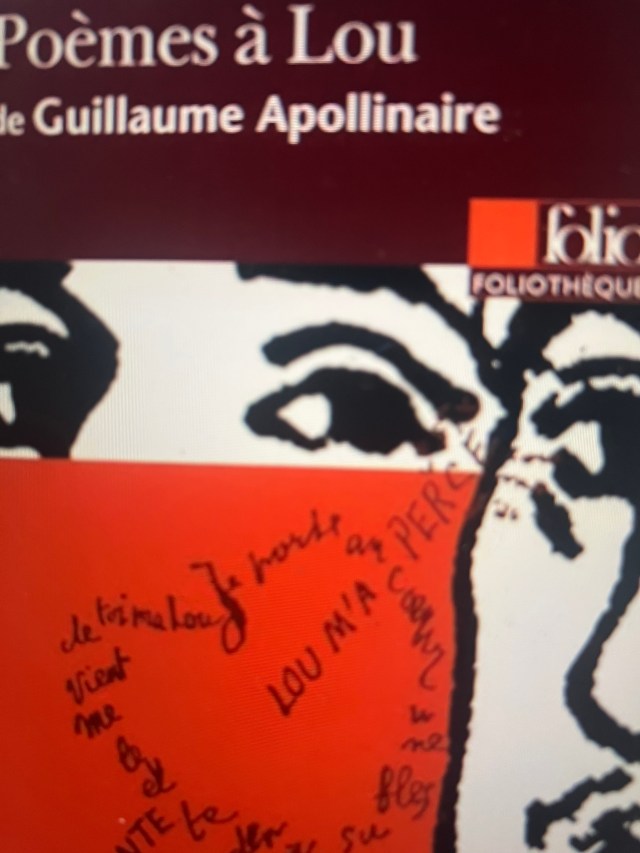
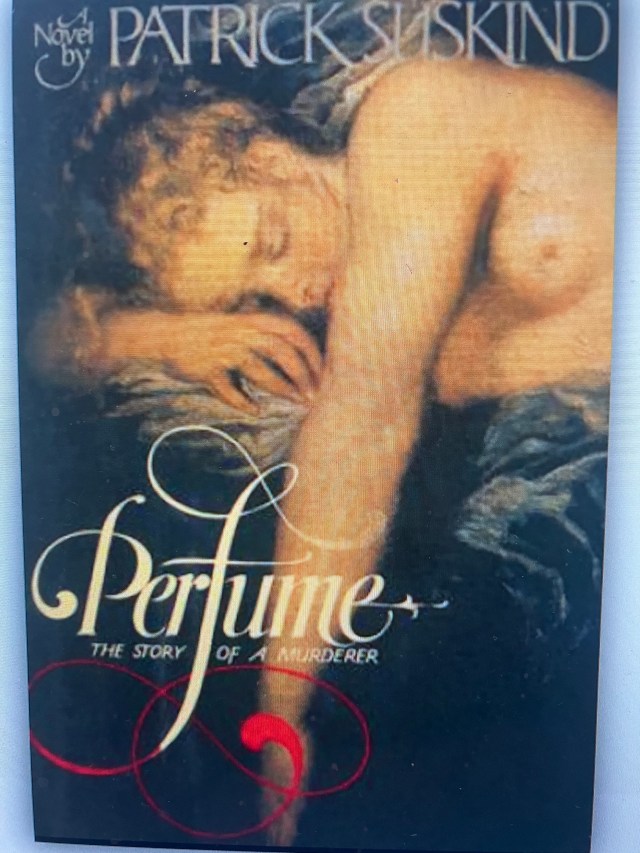
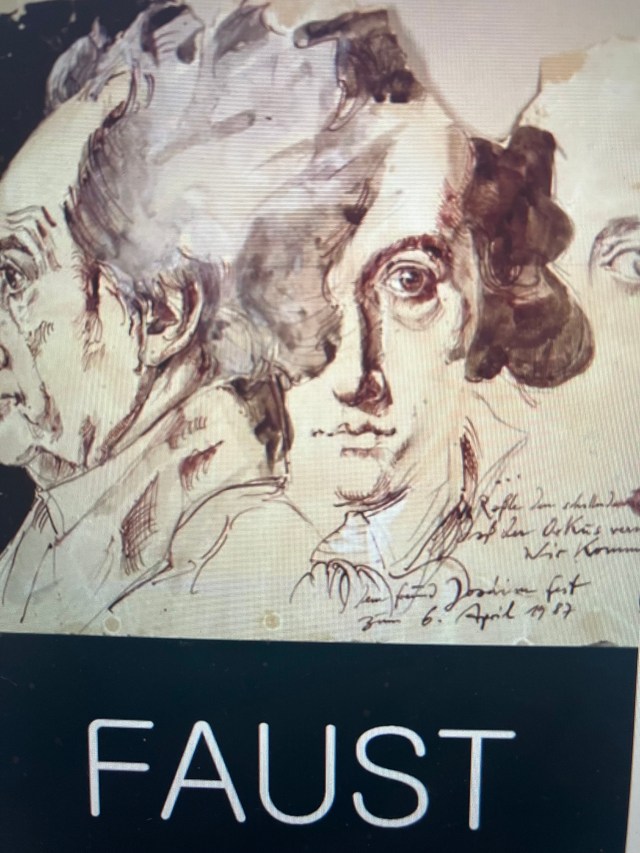
Creativity: Appollinaire, Poems (Guillaume Apollinaire’s poetry combines traditional forms with modern and experimental elements, such as the omission of punctuation and the use of visual typography (calligrams). Creativity: Patrick Süskind, Perfume (In The Perfume Patrick Süskind uses language creatively through detailed descriptions of scents, the use of gruesome metaphors to sketch the characters and the world, and an omniscient, often ironic narrator who draws the reader into the bizarre events.)Creativity: T.S.Eliot, Poems (T.S. Eliot’s creative and innovative language in his poems is expressed in his modernist style, which utilizes techniques such as fragmentation, imagism, repetition, and stream-of-consciousness to reflect the chaos of modern life. This approach is innovative because he combines traditional literary forms with a unique, individual voice, using symbolism and mythology in a new way to explore themes such as time, death, and spirituality.)Communication: Oscar Wilde, The Story of Dorian Gray (The story of Dorian Gray was initially unwell received because it was revolutionary and controversial for the Victorian era, due to its social commentary, emphasis on aesthetics, and suggestive themes. However, it later became a huge success, particularly after its publication in its definitive, expanded form in 1891 and the film and opera versions that appeared in the 20th century.)Communication: Goethe, Faust (The meaning of Goethe’s Faust is a complex philosophical tragedy about a scholar who makes a pact with the devil to gain more knowledge and life experience, ultimately finding redemption through his efforts to do good. The work explores themes such as the human desire for knowledge, the meaning of life, the conflict between good and evil, and the possibility of redemption even after making mistakes.)
AoE3 Intertextuality: Connecting Texts
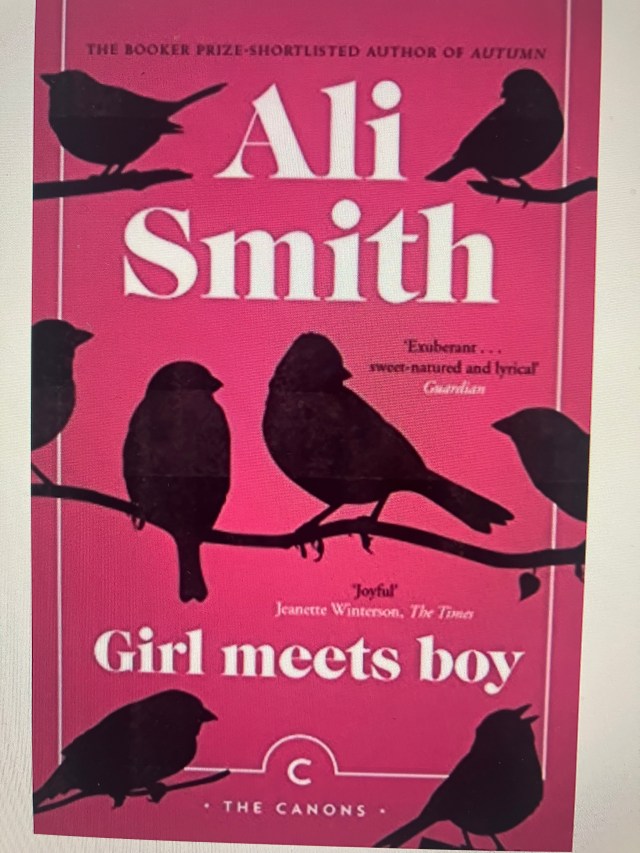
1. Transformation: How does a text change when it is rewritten, adapted, or reinterpreted? Ali Smith, Girl Meets Boy
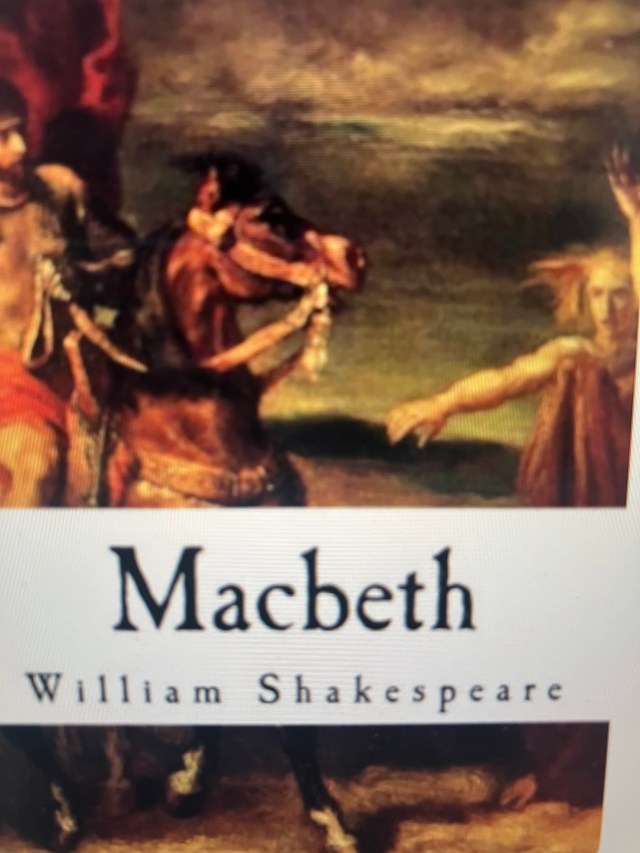
2. Representation: How is the same motif or character represented differently? Shakespeare, Macbeth
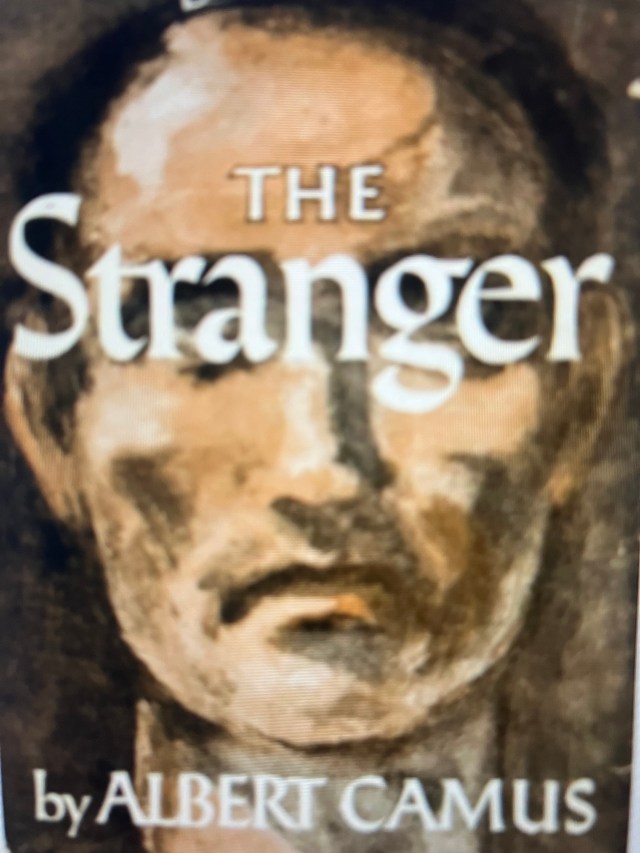
3. Perspective: What view does the text cast on an earlier text? Albert Camus, The stranger
Transformation: Ali Smith, Girl Meets Boy (Ali Smith’s novel ‘Girl Meets Boy’ is a modern retelling of an Ovid myth and explores love, gender roles, and consumerism. The story, which centers on a girl who meets another girl, explores themes of identity, love, and societal pressures surrounding gender, while simultaneously satirizing consumer society.) Representation: Shakespeare, Macbeth (The interpretations of Macbeth have changed over the centuries, particularly through modern adaptations and retranslations that make the play more accessible to a contemporary audience. While the core of the story—the corrupting effects of power and ambition—remains the same, the focus has sometimes shifted, and themes such as guilt, paranoia, and human destiny are re-examined, leading to diverse interpretations of Macbeth’s character.) Perspective: Albert Camus, The stranger (Intertextuality in Camus’s The Stranger refers to the book’s relationship to other texts and contexts, such as existentialist philosophy, absurdism, and the historical context of Algeria as a pieds-noirs (French colonist) country.)
I won’t hesitate to describe more perspectives on studying literature, for example by global issues.



 Tom de Klerk